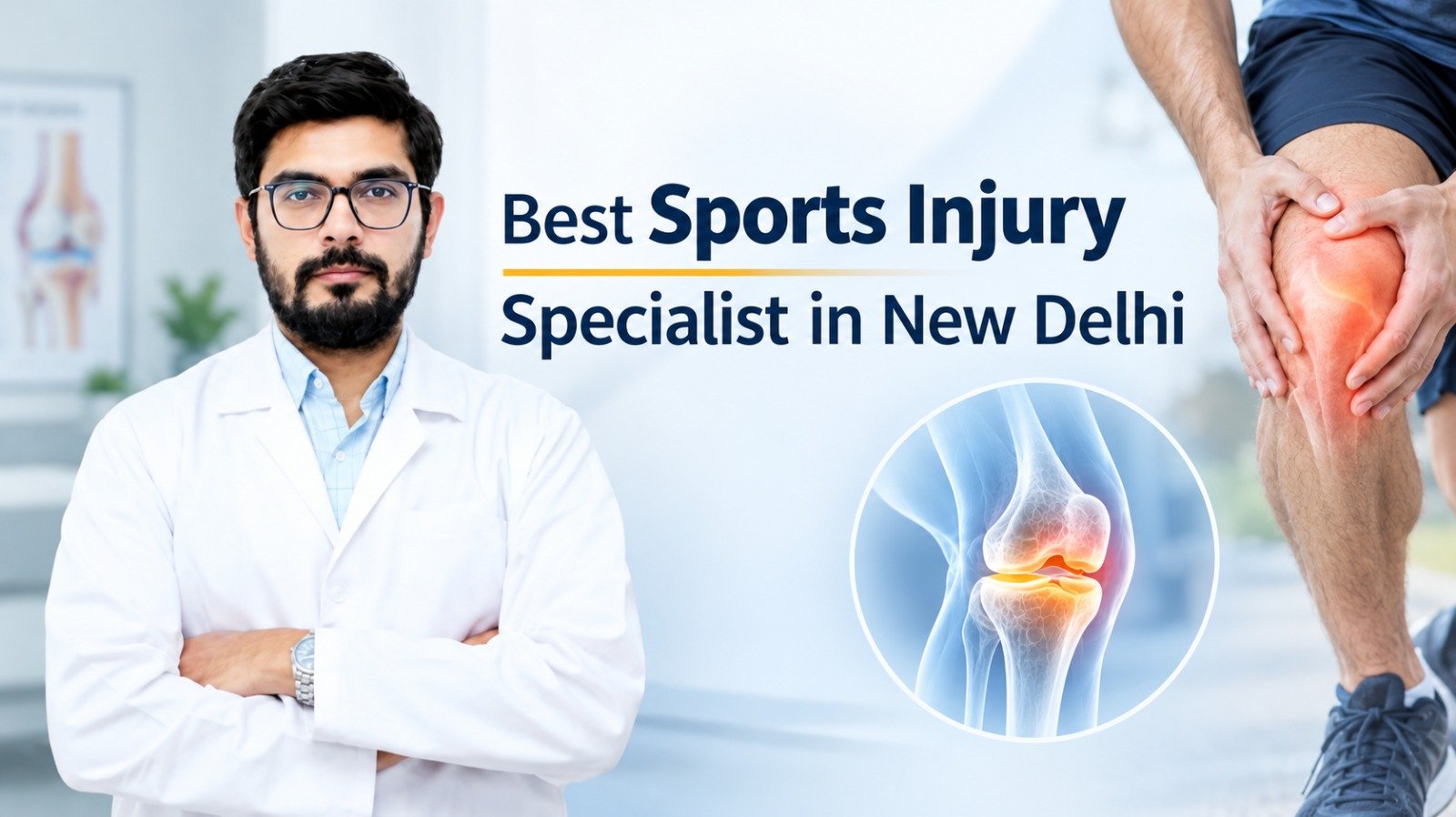
A sports injury can affect anyone from a professional athlete and gym-goer to a school student, runner, cyclist or someone who plays weekend cricket. What may begin as mild knee pain, a shoulder ache or ankle swelling can become a long-term problem if it is ignored or treated incorrectly. Choosing the best sports injury specialist in New Delhi is important because sports injuries need more than general pain relief. They require an accurate diagnosis, a personalised recovery plan and rehabilitation that helps you return to your sport safely. An experienced orthopaedic and sports medicine specialist can identify whether the problem is a ligament tear, muscle strain, cartilage damage, tendon injury or a stress fracture and recommend the right treatment at the right time.
What Is a Sports Injury?
A sports injury is any injury that occurs during physical activity, exercise, training or competitive sport. It may happen suddenly due to a fall, twist, collision or awkward landing. It can also develop gradually because of repetitive movements, poor technique, inadequate warm-up, muscle weakness or overtraining. Sports injuries can affect the knee, shoulder, ankle, elbow, wrist, hip, back or foot. Some injuries heal with rest and physiotherapy, while others may need advanced imaging, injections or minimally invasive arthroscopic surgery. Delhi has dedicated sports injury and rehabilitation services that combine diagnosis, surgical care and physiotherapy for athletes and active individuals.
Common Sports Injuries Treated in New Delhi
Knee Injuries
The knee is one of the most commonly injured joints in sports. Football, basketball, cricket, badminton, skiing, running and gym training can place sudden stress on the knee.
Common knee injuries include:
- ACL tear: A partial or complete tear of the anterior cruciate ligament, often caused by a sudden twist, pivot or awkward landing.
- Meniscus tear: Damage to the cushioning cartilage inside the knee, usually after twisting while the knee bears weight.
- MCL or LCL injury: Injury to the ligaments on the inner or outer side of the knee.
- Patellar tendinitis: Pain below the kneecap, often seen in runners, jumpers and cyclists.
- Cartilage injury: Damage to the smooth surface that helps the knee move comfortably.
ACL tears and meniscus injuries are among the most frequently treated sports injuries and treatment may range from bracing and physiotherapy to arthroscopic repair or reconstruction, depending on the severity and activity goals.
Shoulder Injuries
Shoulder injuries are common in cricket, tennis, badminton, swimming, volleyball and weight training. Repeated overhead movements can strain the rotator cuff and surrounding structures.
Common shoulder problems include:
- Rotator cuff tear or tendinitis
- Shoulder dislocation
- Frozen shoulder
- Labral tear
- Shoulder impingement
- AC joint injury
A sports injury specialist may recommend physiotherapy, activity modification, medication or arthroscopic shoulder surgery based on the injury and the patient’s lifestyle.
Ankle and Foot Injuries
Ankle sprains, Achilles tendon injuries, plantar fasciitis, stress fractures and ligament injuries are common among runners, footballers, dancers and people who play court sports. Repeated ankle sprains should never be ignored, as they can lead to instability and recurrent injuries.
Elbow, Wrist and Hand Injuries
Tennis elbow, golfer’s elbow, wrist sprains, finger injuries and tendon problems can occur due to racquet sports, gym workouts, cycling or repetitive occupational activity. Early assessment helps prevent chronic pain and weakness.
Muscle Strains and Ligament Sprains
A strain affects muscles or tendons, while a sprain affects ligaments. These injuries are common in the hamstring, calf, groin, thigh and back. Although many mild strains recover with conservative care, severe tears may require a detailed orthopaedic evaluation.
Signs You Need a Sports Injury Specialist
Many people try to manage pain with home remedies, painkillers or rest. While minor soreness may improve on its own, certain symptoms suggest that you should consult a sports injury doctor in New Delhi without delay.
Seek specialist care if you have:
- Sudden swelling, bruising or deformity after an injury
- A popping or snapping sensation at the time of injury
- Inability to bear weight on the leg
- Joint instability or a feeling that the knee may “give way”
- Persistent pain lasting more than a few days
- Numbness, tingling or weakness in the arm or leg
- Repeated injuries in the same joint
- Pain that affects sleep, walking, work or training
- Reduced range of motion or stiffness that does not improve
Ignoring a serious injury can lead to joint damage, recurrent instability, early arthritis and a longer recovery period. Timely evaluation is especially important for ACL injuries, meniscus tears, shoulder dislocations and suspected fractures.
Why Choose a Sports Injury Specialist in New Delhi?
A general physician may help with initial pain relief, but a sports injury specialist focuses specifically on injuries related to movement, training and athletic performance. The best sports injury specialist in New Delhi will usually have expertise in orthopaedics, arthroscopy, sports medicine and rehabilitation.
Accurate Diagnosis
A specialist begins with a detailed history of your injury, physical examination and assessment of joint stability, strength, flexibility and movement pattern. If required, X-rays, MRI, ultrasound or other imaging tests may be advised to confirm the diagnosis.
Personalised Treatment Plan
Every patient is different. A professional cricketer with an ACL injury may need a different recovery plan from an office-goer who plays weekend badminton. Treatment is planned according to the type of injury, severity, age, fitness level, occupation and sporting goals.
Access to Advanced Treatment
Modern sports injury care may include physiotherapy, bracing, regenerative treatments in selected cases, image-guided injections, arthroscopic keyhole surgery, ligament reconstruction, cartilage procedures and structured return-to-sport rehabilitation. Sports injury centres in Delhi commonly provide diagnostic, surgical and rehabilitative services under one approach.
Safe Return to Sport
Returning to sport too early can cause re-injury. A qualified specialist monitors strength, balance, flexibility, endurance and confidence before clearing you for full training or competition.
Treatment Options for Sports Injuries
Conservative Treatment
Not every sports injury requires surgery. Many conditions improve with:
- Rest and activity modification
- Ice therapy and compression
- Anti-inflammatory medication, when suitable
- Physiotherapy and stretching exercises
- Strength and balance training
- Bracing or supportive devices
- Lifestyle and training corrections
Physiotherapy plays a major role in restoring movement, improving muscle strength, reducing stiffness and preventing future injuries.
Arthroscopic Surgery
Arthroscopy is a minimally invasive procedure in which a surgeon uses a small camera and specialised instruments to diagnose and treat joint problems. It is commonly used for ACL reconstruction, meniscus repair, cartilage treatment, shoulder instability, rotator cuff injuries and certain ankle injuries. Because the incisions are small, arthroscopy may allow less tissue disturbance and a more focused rehabilitation programme. However, surgery is recommended only when it is genuinely required after clinical assessment and imaging.
Rehabilitation and Return-to-Play Programme
Recovery does not end after treatment. Rehabilitation is essential to rebuild strength, restore joint control, improve flexibility and reduce the risk of another injury. A good sports injury specialist works closely with physiotherapists to create a step-by-step return-to-play plan.
How to Choose the Best Sports Injury Specialist in New Delhi
When searching for the best sports injury specialist in New Delhi, do not choose only based on online advertisements. Look for a doctor who offers clear communication, evidence-based treatment and a recovery plan suited to your needs.
Consider the following factors:
- Qualifications and experience in orthopaedics, sports medicine and arthroscopy
- Experience in treating your specific injury, such as ACL tear, meniscus injury, shoulder dislocation or ankle sprain
- Access to advanced imaging and rehabilitation facilities
- Willingness to explain non-surgical and surgical options clearly
- A structured physiotherapy and follow-up plan
- Positive patient feedback and transparent discussion about recovery time
- Convenient clinic or hospital location in Delhi NCR
A strong sports injury team often includes an orthopaedic surgeon, sports medicine specialist, physiotherapist, radiologist and rehabilitation expert. This team-based approach helps patients recover safely and return to their normal activities with confidence.
Tips to Prevent Sports Injuries
While accidents cannot always be avoided, many sports injuries can be reduced with simple habits:
- Warm up for at least 10 to 15 minutes before training or playing
- Cool down and stretch after activity
- Increase training intensity gradually
- Use proper footwear and sport-specific protective gear
- Maintain good technique and posture
- Include strength, balance and flexibility exercises in your routine
- Stay hydrated and take adequate rest between sessions
- Do not play through sharp or persistent pain
- Get old injuries assessed before returning to intense activity
Overtraining, poor recovery, weak muscles and ignoring early warning signs are common reasons why minor injuries become serious.
When to Book an Appointment
Book an appointment with a sports injury doctor in New Delhi if your pain is not improving, your joint feels unstable or your injury is stopping you from walking, training, working or sleeping comfortably. Early diagnosis can protect the joint, shorten recovery time and help you return to your favourite sport safely. Whether you have a knee injury, shoulder pain, ankle sprain, muscle tear or recurrent joint problem, the right specialist can guide you from diagnosis to complete rehabilitation. Sports injury treatment in Delhi is available through experienced orthopaedic and sports medicine teams offering both conservative care and advanced arthroscopic treatment.
Frequently Asked Questions
1. Who is the best sports injury specialist in New Delhi?
The best sports injury specialist in New Delhi is an orthopaedic doctor or sports medicine expert with experience in treating ligament, tendon, cartilage, muscle and joint injuries. Look for expertise in arthroscopy, ACL and meniscus treatment, physiotherapy-based rehabilitation and a patient-focused approach.
2. When should I see a sports injury doctor instead of resting at home?
See a specialist if you have severe swelling, inability to bear weight, joint instability, a popping sound during injury, numbness or pain that does not improve within a few days. Repeated injuries in the same joint also need medical evaluation.
3. Do all sports injuries require surgery?
No. Many sports injuries improve with rest, physiotherapy, bracing, medication and guided rehabilitation. Surgery is usually considered for severe ligament tears, unstable joints, certain meniscus or cartilage injuries, recurrent dislocations and injuries that do not respond to conservative treatment.
4. What is arthroscopy in sports injury treatment?
Arthroscopy is a minimally invasive keyhole procedure used to diagnose and treat joint problems. It is commonly used for knee and shoulder injuries, including ACL reconstruction, meniscus repair, cartilage damage and rotator cuff problems.
5. How long does recovery take after a sports injury?
Recovery depends on the injury and treatment. A mild sprain may improve in a few weeks, while an ACL reconstruction or major shoulder injury may require several months of structured rehabilitation before a safe return to sport.
6. Can physiotherapy help prevent sports injuries?
Yes. Physiotherapy improves strength, flexibility, balance, posture and movement control. A tailored exercise programme can reduce the risk of re-injury and help athletes return to activity more safely.