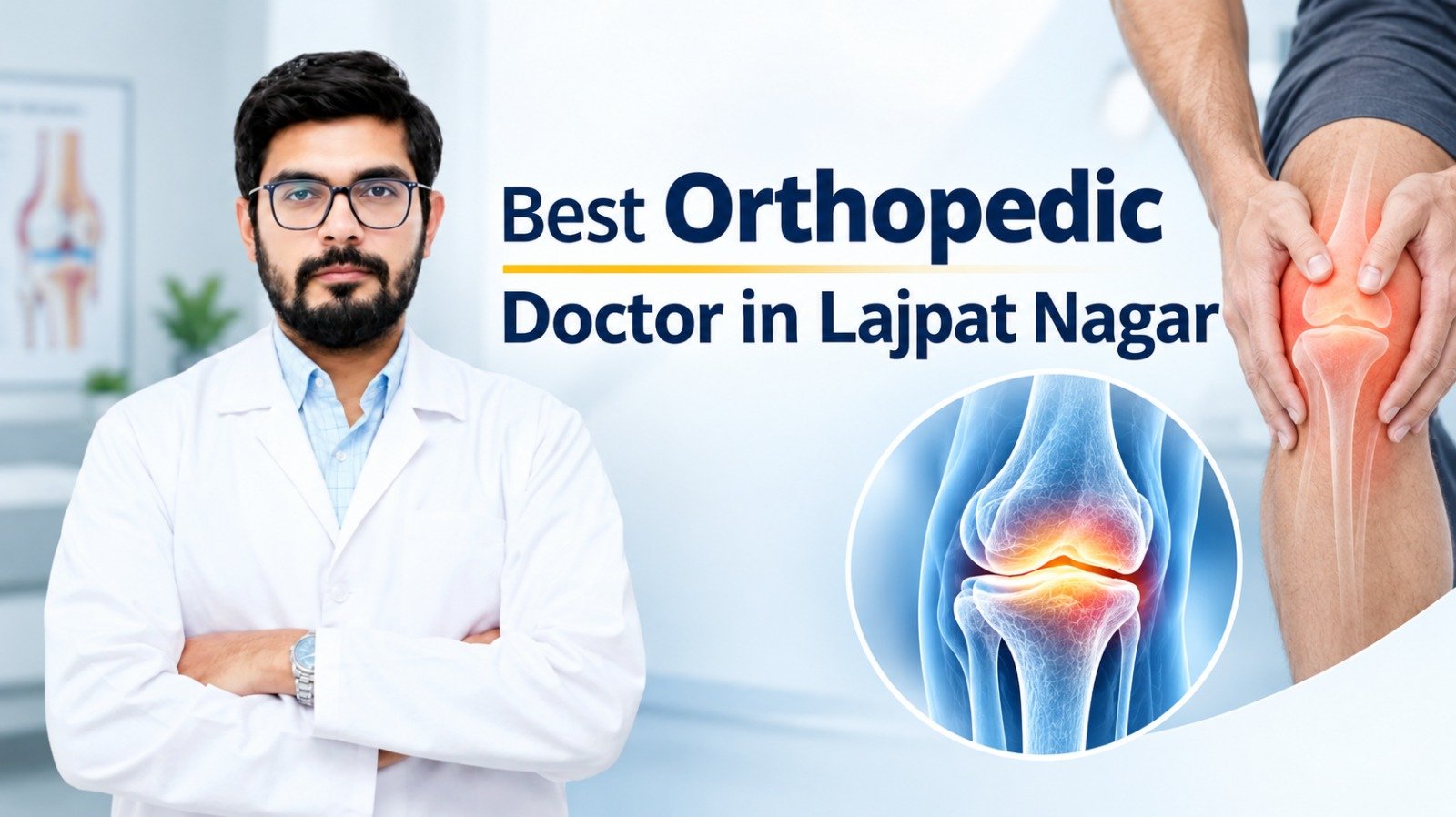
Bone and joint problems can affect everyday life in ways that are easy to underestimate. A painful knee can make climbing stairs difficult, shoulder pain can interfere with sleep and back or neck discomfort can make even routine work uncomfortable. Whether the problem has developed gradually or started after an injury, getting the right diagnosis early can make a significant difference. If you are searching for the best orthopedic doctor in Lajpat Nagar, it is important to look beyond convenience or online ratings. The right orthopedic specialist should understand the underlying cause of pain, explain the available treatment options clearly and recommend treatment according to the patient's condition rather than taking a one-size-fits-all approach. Lajpat Nagar and South Delhi have several orthopedic clinics and specialists offering care for conditions affecting bones, joints, muscles, ligaments and tendons. Patients can find specialists treating everything from arthritis and knee pain to sports injuries, fractures and joint replacement conditions.
What Does an Orthopedic Doctor Treat?
An orthopedic doctor, also called an orthopedic or orthopaedic specialist, diagnoses and treats conditions affecting the musculoskeletal system.
This includes:
- Bones and fractures
- Joints and cartilage
- Muscles and tendons
- Ligaments
- Sports injuries
- Arthritis
- Spine-related musculoskeletal problems
- Joint degeneration
- Certain deformities and movement-related conditions
Depending on the condition, treatment may involve medication, physiotherapy, activity modification, injections, rehabilitation or surgery. A good orthopedic consultation begins with understanding why the pain is happening, rather than simply treating the symptom.
Why Choose an Orthopedic Doctor in Lajpat Nagar?
For people living in South Delhi and nearby areas, Lajpat Nagar is a convenient location for accessing orthopedic care. The area has multiple orthopedic specialists and clinics, including doctors providing treatment for knee, shoulder, sports injuries, fractures and joint-related problems. Choosing a nearby orthopedic specialist can also make follow-up visits and rehabilitation easier, particularly when treatment involves physiotherapy or regular monitoring.
However, location should not be the only consideration.
When choosing an orthopedic doctor in Lajpat Nagar, consider:
- The doctor's qualifications and orthopedic training
- Experience with your particular condition
- Diagnostic approach
- Non-surgical treatment options
- Surgical expertise when surgery is required
- Rehabilitation and follow-up care
- Clear communication about treatment choices
The goal should be appropriate treatment, not unnecessary treatment.
Common Problems Treated by Orthopedic Specialists
1. Knee Pain
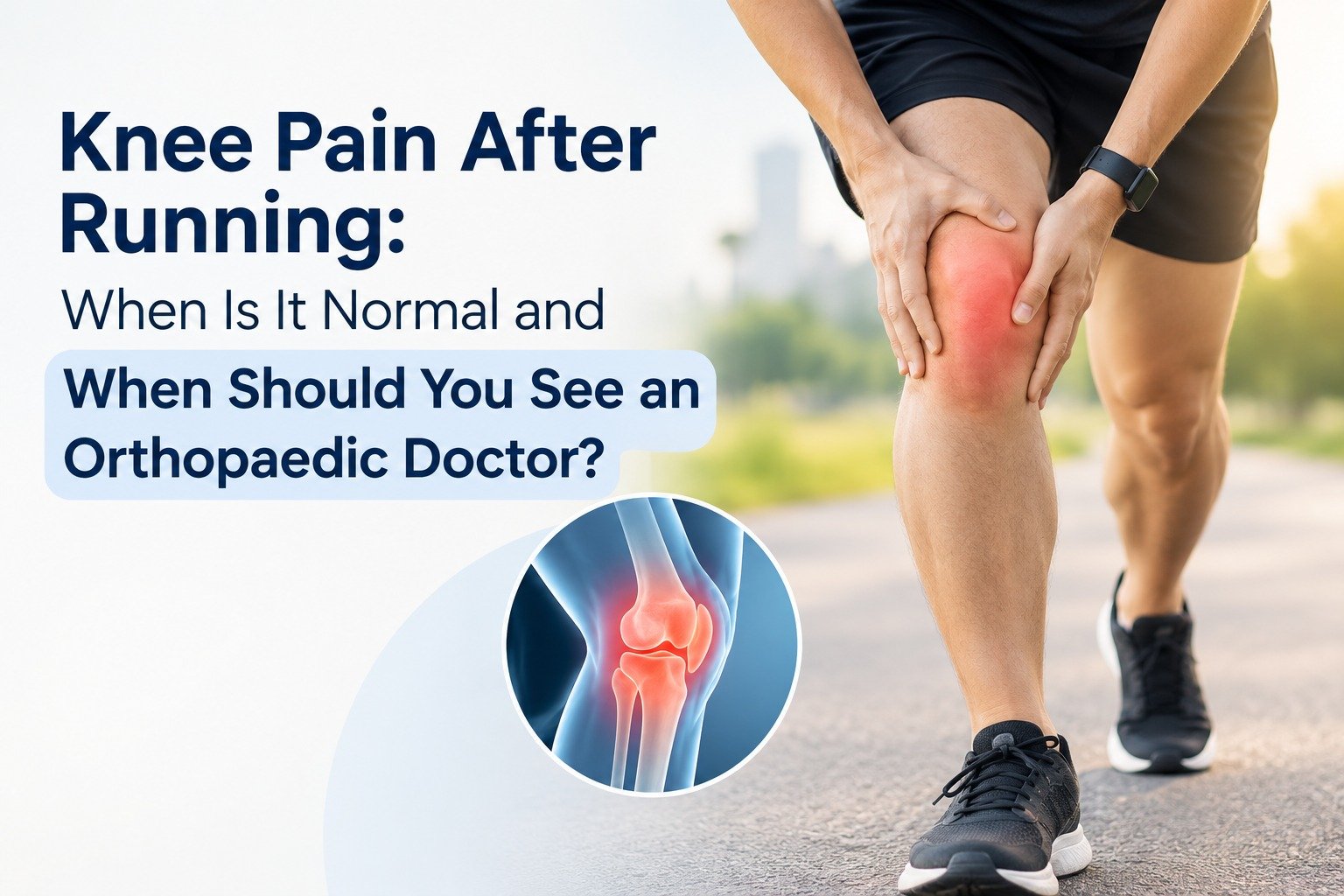
Knee pain is one of the most common reasons people seek orthopedic care. It can result from arthritis, cartilage damage, ligament injuries, meniscus problems, overuse, previous injuries or age-related changes.
Symptoms may include:
- Pain while walking
- Difficulty climbing stairs
- Knee stiffness
- Swelling
- Clicking or grinding sensations
- Difficulty sitting or standing for long periods
- A feeling that the knee may give way
Treatment depends on the underlying cause. Some patients improve with physiotherapy, strengthening exercises, weight management and medication, while others may require injections or surgery. If knee pain continues or interferes with daily activities, consulting a knee specialist in Lajpat Nagar can help determine the cause.
2. Arthritis and Joint Pain
Arthritis can gradually affect mobility and quality of life. Osteoarthritis, for example, develops when the tissues within a joint undergo degenerative changes over time. It commonly affects the knees, hips, hands and other joints. Treatment is not necessarily surgical.
Depending on the severity of the condition, an orthopedic doctor may recommend:
- Exercise and physiotherapy
- Weight management
- Pain-relieving medication when appropriate
- Activity modification
- Assistive devices
- Injections in selected cases
- Surgical treatment when symptoms become severe
A personalized treatment plan is particularly important because arthritis can affect different people differently.
3. Sports Injuries
You do not have to be a professional athlete to experience a sports injury. Running, gym workouts, football, cricket, badminton and other physical activities can lead to injuries involving muscles, tendons and ligaments.
Common sports injuries include:
- ACL injuries
- Meniscus tears
- Ankle sprains
- Shoulder injuries
- Rotator cuff problems
- Tennis elbow
- Muscle and tendon injuries
An orthopedic sports injury specialist can assess the injury and determine whether conservative treatment, rehabilitation or surgery is appropriate. Modern orthopedic practices may also offer arthroscopic procedures for selected joint injuries. Local orthopedic clinics in Lajpat Nagar advertise treatment for conditions such as ACL injuries, meniscus tears, shoulder instability and other sports-related problems.
4. Shoulder Pain
Shoulder pain can develop because of an injury, repetitive movement, tendon problems, arthritis or instability.
Common conditions include:
- Rotator cuff injuries
- Frozen shoulder
- Shoulder impingement
- Shoulder instability
- Tendon problems
- Arthritis
Persistent shoulder pain should not simply be ignored, particularly when it causes weakness or restricts movement. An orthopedic specialist can examine shoulder strength and mobility and determine whether imaging or further investigation is necessary.
5. Back and Neck Problems
Back and neck pain are extremely common, particularly among people who spend long hours sitting at a desk. Poor posture, muscle strain, disc-related problems, age-related changes and injuries can all contribute to pain. Not every case requires surgery. Depending on the diagnosis, treatment may include physical therapy, exercises, medication, lifestyle modifications and other conservative measures. Surgery is considered when there is an appropriate medical indication. If back or neck pain is accompanied by significant weakness, numbness, difficulty walking or problems with bladder or bowel control, prompt medical assessment is important.
6. Fractures
Falls, road accidents, sports injuries and other accidents can result in fractures. A fracture should be properly assessed because the position and severity of the injury can affect healing and future function.
Orthopedic care may involve:
- X-rays or other imaging
- Immobilization
- Casting or bracing
- Reduction of the fracture
- Follow-up monitoring
- Surgery for selected fractures
- Rehabilitation
Early and appropriate management can help support proper healing and restoration of movement.
When Should You See an Orthopedic Doctor?
Not every episode of muscle soreness requires an orthopedic consultation. However, persistent or worsening symptoms should not be ignored.
Consider seeing an orthopedic specialist if you have:
- Pain that persists despite rest
- Recurrent joint swelling
- Difficulty walking or climbing stairs
- Reduced range of motion
- Joint instability
- Persistent back or neck pain
- Pain following an injury
- Repeated sports injuries
- Persistent stiffness
- Difficulty performing everyday activities
You should seek prompt medical attention after significant trauma, especially if there is visible deformity, severe pain, inability to bear weight or suspected fracture.
How Does an Orthopedic Doctor Diagnose the Problem?
An orthopedic consultation generally starts with a detailed discussion about your symptoms.
The doctor may ask:
- When did the pain begin?
- Was there an injury?
- Where exactly is the pain?
- Does it worsen with particular movements?
- Is there swelling or stiffness?
- Has the problem occurred before?
- Are daily activities affected?
A physical examination is then performed to assess movement, strength, tenderness and joint stability.
Depending on the findings, the doctor may recommend imaging such as:
- X-ray
- Ultrasound
- MRI
- CT scan
Not every patient needs advanced imaging. The appropriate test depends on the suspected condition and clinical examination.
What Treatments Are Available?
Orthopedic treatment has changed considerably over the years. Surgery is no longer automatically the first option for many musculoskeletal conditions.
Depending on the diagnosis, treatment may include:
Conservative Treatment
This can involve medication, rest, activity modification and other measures recommended according to the condition.
Physiotherapy
Physiotherapy can help improve strength, flexibility, movement and function. Rehabilitation is often an important part of recovery following injury or surgery.
Injections
Certain injections may be considered for selected joint conditions. Whether an injection is appropriate depends on the diagnosis and individual patient factors.
Minimally Invasive Procedures
Some joint conditions can be treated using arthroscopic techniques. These procedures use small incisions and specialized instruments and may be appropriate for particular injuries.
Joint Replacement
For advanced joint damage causing significant pain and disability, joint replacement may be considered. The decision should be based on symptoms, examination findings, imaging, overall health and response to other treatments.
How to Choose the Best Orthopedic Doctor in Lajpat Nagar
The phrase “best orthopedic doctor” can mean different things to different patients. Instead of choosing a doctor solely because a website calls them “the best,” look for evidence that the specialist is appropriate for your specific problem.
Check the Doctor's Expertise
If you have knee pain, a doctor with substantial knee and joint experience may be more relevant than a specialist whose primary focus is another orthopedic area. Similarly, patients with sports injuries may want a specialist experienced in sports medicine and arthroscopic procedures.
Understand the Treatment Philosophy
A good consultation should explain both surgical and non-surgical options when relevant. Surgery should generally be recommended when it is medically appropriate, rather than simply because it is available.
Consider Rehabilitation
Recovery does not necessarily end when the procedure is completed. Physiotherapy, strengthening and gradual return to activity may be essential after many orthopedic conditions and surgeries. Some orthopedic centers in Lajpat Nagar combine orthopedic treatment with physiotherapy and rehabilitation services, allowing patients to receive coordinated care.
Look for Clear Communication
Patients should feel comfortable asking questions about:
- Diagnosis
- Treatment choices
- Expected recovery
- Risks and benefits
- Rehabilitation
- Possible alternatives
Clear communication can make the treatment journey easier to understand and follow.
Why Early Orthopedic Evaluation Can Matter
Pain is often treated as something that should simply be tolerated until it becomes severe. That approach is not always helpful. A persistent joint problem can gradually affect movement, physical activity and quality of life. Avoiding movement because of pain may also lead to weakness or reduced mobility. Early evaluation does not necessarily mean immediate medication or surgery. It simply helps determine what is actually causing the symptoms and whether treatment is needed.
Conclusion
Finding the best orthopedic doctor in Lajpat Nagar should not be about choosing the most heavily advertised name. It should be about finding an appropriately qualified specialist who can accurately assess the condition, explain treatment options and create a plan suited to the patient's needs. Whether the concern is knee pain, arthritis, sports injury, shoulder pain, fracture, back pain or a joint problem, the right orthopedic evaluation can help identify the underlying issue and guide appropriate treatment. For patients searching for an orthopedic doctor in Lajpat Nagar, South Delhi or Delhi NCR, choosing a specialist based on expertise, experience, treatment approach and patient-focused care can be an important first step toward better mobility and a more active life.
Frequently Asked Questions
1. How do I choose the best orthopedic doctor in Lajpat Nagar?
Look for a qualified orthopedic specialist with experience relevant to your specific condition. Consider their expertise, diagnostic approach, treatment options, surgical experience when applicable, rehabilitation support and ability to clearly explain your condition.
2. When should I visit an orthopedic doctor for knee pain?
You should consider an orthopedic consultation if knee pain persists, keeps returning, causes swelling or stiffness, limits walking or climbing stairs or affects your normal activities. Pain following a significant injury should also be evaluated.
3. Does every orthopedic problem require surgery?
No. Many orthopedic conditions can initially be managed with conservative treatment, physiotherapy, medication, activity modification or other non-surgical approaches. Surgery is considered when medically appropriate.
4. What is the difference between an orthopedic doctor and a physiotherapist?
An orthopedic doctor diagnoses musculoskeletal conditions and can recommend medical or surgical treatment when required. A physiotherapist focuses primarily on rehabilitation, movement, strength and functional recovery. Both may play important roles in orthopedic care.
5. Which orthopedic specialist should I see for a sports injury?
For sports injuries involving the knee, shoulder, ankle, ligament or cartilage, consider an orthopedic specialist with experience in sports injuries and, where relevant, arthroscopic treatment and rehabilitation.
6. Is Lajpat Nagar a good location for orthopedic treatment in Delhi?
Lajpat Nagar has multiple orthopedic specialists and clinics offering treatment for joint pain, sports injuries, arthritis, fractures and other musculoskeletal conditions. It is also conveniently located in South Delhi for patients from nearby parts of Delhi NCR.