
Introduction
Hip pain can significantly impact a person's quality of life, making everyday activities such as walking, climbing stairs, or even standing for long periods difficult. While many conditions can cause hip pain, one serious and often overlooked condition is Hip Avascular Necrosis (AVN).
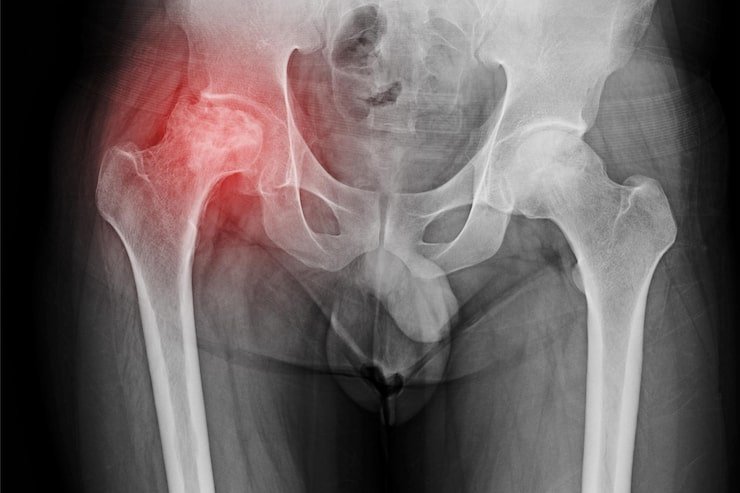
Avascular Necrosis of the hip is a progressive condition that occurs when the blood supply to the femoral head (the ball-shaped upper part of the thigh bone) is disrupted. Without adequate blood flow, bone tissue begins to die, causing the hip joint to weaken and eventually collapse if left untreated.
Early diagnosis and appropriate treatment are crucial for preserving the hip joint and preventing long-term disability. In this article, we will explore what hip avascular necrosis is, its causes, symptoms, stages, diagnosis, and the available treatment options.
What Is Hip Avascular Necrosis?
Hip Avascular Necrosis (AVN), also known as osteonecrosis of the hip, is a condition in which the bone tissue in the femoral head dies due to a lack of blood supply.
Bones require a constant supply of oxygen and nutrients through blood vessels to remain healthy. When blood flow is interrupted or reduced, the affected bone cells begin to die. Over time, the bone weakens, loses its structural integrity, and may collapse.
The hip joint is one of the most commonly affected areas because the blood supply to the femoral head is relatively limited and vulnerable to disruption.
If not treated early, AVN can lead to severe arthritis, chronic pain, and loss of hip function.
How Does Hip Avascular Necrosis Develop?
The progression of AVN typically follows these stages:
Stage 1: Reduced Blood Supply
Blood flow to the femoral head decreases or stops completely.
Stage 2: Bone Cell Death
Bone tissue begins to die due to lack of oxygen and nutrients.
Stage 3: Structural Weakening
The affected bone becomes weaker and develops microscopic fractures.
Stage 4: Bone Collapse
The femoral head starts to lose its shape and collapse.
Stage 5: Hip Arthritis
Joint damage progresses, leading to arthritis and significant pain.
The earlier the condition is detected, the better the chances of preserving the natural hip joint.
Causes of Hip Avascular Necrosis
Several factors can interfere with blood flow to the hip bone.
1. Long-Term Corticosteroid Use
Prolonged use of steroid medications is one of the most common causes of AVN.
Steroids may increase fat deposits in blood vessels, reducing circulation to the femoral head.
Common conditions requiring steroid therapy include:
- Asthma
- Autoimmune diseases
- Lupus
- Organ transplantation
2. Excessive Alcohol Consumption
Heavy alcohol intake can cause fatty deposits to accumulate in blood vessels, restricting blood flow to bone tissue.
Long-term alcohol abuse significantly increases the risk of developing AVN.
3. Hip Injury or Trauma
Fractures and dislocations of the hip can damage blood vessels supplying the femoral head.
Traumatic AVN may develop months or years after the initial injury.
4. Medical Conditions
Certain diseases are associated with a higher risk of AVN, including:
- Sickle cell disease
- Lupus
- Diabetes
- Blood clotting disorders
- Gaucher disease
- Kidney disease
5. Radiation Therapy
Radiation treatment for cancer may damage blood vessels and weaken bone structure.
6. Certain Medications
Some medications may contribute to AVN development, especially when used for extended periods.
7. Unknown Causes (Idiopathic AVN)
In some cases, AVN develops without any identifiable cause. This is known as idiopathic avascular necrosis.
Symptoms of Hip Avascular Necrosis
Symptoms often develop gradually and worsen as the disease progresses.
Early Symptoms
In the early stages, many patients experience no symptoms.
When symptoms appear, they may include:
- Mild groin pain
- Discomfort in the hip
- Occasional stiffness
Progressive Symptoms
- Persistent hip pain
- Groin pain that worsens with activity
- Pain in the buttock or thigh
- Difficulty walking
- Reduced range of motion
- Limping
Advanced Symptoms
- Severe pain even at rest
- Difficulty standing
- Joint stiffness
- Significant mobility limitations
- Dependence on walking aids
Prompt medical evaluation is important if persistent hip or groin pain develops.
Who Is at Risk for Hip AVN?
Several factors increase the likelihood of developing hip avascular necrosis.
High-risk groups include:
- Adults between 30 and 60 years old
- Long-term steroid users
- Heavy alcohol consumers
- Patients with autoimmune disorders
- Individuals with sickle cell disease
- Patients with previous hip injuries
- Organ transplant recipients
Men are slightly more likely than women to develop AVN.
How Is Hip Avascular Necrosis Diagnosed?
Early diagnosis plays a critical role in successful treatment.
Physical Examination
Your orthopedic specialist will evaluate:
- Hip pain location
- Range of motion
- Walking pattern
- Joint function
X-Rays
X-rays can identify advanced bone damage and collapse but may appear normal in early stages.
MRI Scan
MRI is considered the most sensitive test for detecting AVN. It can identify bone damage before changes appear on X-rays.
CT Scan
CT imaging helps evaluate bone structure and assess disease progression.
Bone Scan
A bone scan may occasionally be used to assess blood flow and bone activity.
Treatment Options for Hip Avascular Necrosis
Treatment depends on:
- Disease stage
- Severity of symptoms
- Age of the patient
- Extent of bone damage
Non-Surgical Treatment Options
Non-surgical treatments are generally more effective in the early stages.
Medications
- Pain relievers
- Anti-inflammatory medications
- Cholesterol-lowering medications
- Blood-thinning medications
These treatments help manage symptoms but do not reverse bone damage.
Activity Modification
Patients may be advised to use:
- Crutches
- Walking sticks
- Assistive devices
Physical Therapy
- Maintain joint flexibility
- Improve muscle strength
- Preserve mobility
Surgical Treatment Options
1. Core Decompression
Core decompression is commonly performed in early-stage AVN.
- Reduce pressure
- Improve blood flow
- Stimulate healing
This procedure may help delay or prevent hip collapse.
2. Bone Grafting
Bone grafts may be used to support weakened areas and promote new bone growth.
3. Stem Cell Therapy
In selected cases, stem cells may be combined with core decompression to encourage bone regeneration.
4. Osteotomy
This procedure redistributes weight away from damaged areas of the femoral head.
5. Total Hip Replacement
When significant collapse or arthritis has occurred, total hip replacement is often the most effective treatment.
Benefits include:
- Pain relief
- Improved mobility
- Better quality of life
- Long-term functional improvement
Modern hip replacement techniques offer excellent outcomes for AVN patients.
When Should You See a Doctor?
Consult an orthopedic specialist if you experience:
- Persistent hip pain
- Groin pain while walking
- Difficulty climbing stairs
- Reduced hip mobility
- Pain that worsens over time
Early diagnosis provides the best opportunity to preserve the natural hip joint.
Conclusion
Hip Avascular Necrosis is a serious condition that occurs when blood flow to the femoral head is disrupted, leading to bone tissue death and eventual joint damage.
While the disease can progress silently in its early stages, timely diagnosis and treatment can significantly improve outcomes.
Understanding the causes, recognizing symptoms early, and seeking expert orthopedic care are essential steps in preventing permanent joint damage.
Depending on the stage of the condition, treatment may range from lifestyle modifications and medications to advanced surgical procedures such as core decompression or total hip replacement.
If you are experiencing ongoing hip pain or have risk factors for AVN, consulting an orthopedic specialist promptly can help protect your mobility and long-term joint health.
Frequently Asked Questions (FAQs)
1. What is Hip Avascular Necrosis?
Hip Avascular Necrosis is a condition where bone tissue in the femoral head dies due to inadequate blood supply.
2. What causes Hip AVN?
Common causes include long-term steroid use, excessive alcohol consumption, hip injuries, blood disorders, and certain medical conditions.
3. Can Hip AVN heal on its own?
No. AVN generally does not heal without treatment and may progressively worsen over time.
4. Is Hip Avascular Necrosis painful?
Yes. Pain typically increases as the condition progresses and can become severe in advanced stages.
5. Can AVN be treated without surgery?
Early-stage AVN may be managed with medications, physical therapy, and activity modification, although surgery may still be needed in some cases.
6. What is Core Decompression Surgery?
Core decompression is a procedure that removes a portion of damaged bone to improve blood flow and reduce pressure within the femoral head.