
Introduction
Minimally invasive orthopaedic surgery (MIOS) has transformed modern musculoskeletal care by offering precise treatment with smaller incisions, less tissue damage, and faster recovery. Over the last few decades, advancements in imaging, surgical tools, and techniques have significantly improved patient outcomes and reduced hospital stays. For patients experiencing joint pain, fractures, or spine-related issues, consultation with an orthopedic doctor lajpat nagar or an experienced orthopedic doctor in delhi can help determine whether a minimally invasive procedure is suitable for their condition.
What Are Minimally Invasive Orthopaedic Surgeries?
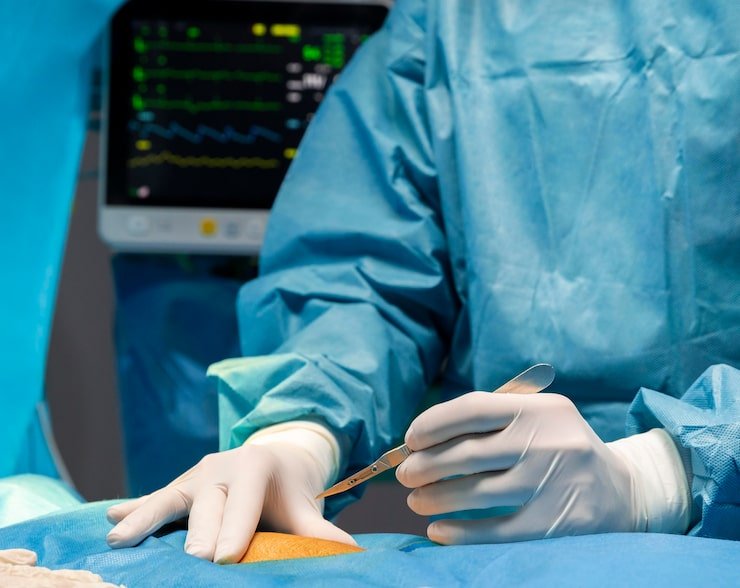
Minimally invasive orthopaedic surgery refers to procedures performed through very small incisions using specialized instruments and imaging guidance. Instead of large openings that expose bones and tissues, surgeons use tools like arthroscopes, endoscopes, and navigation systems to operate with precision.
These techniques are commonly used for:
- Joint injuries (knee, shoulder, hip)
- Ligament reconstruction
- Spine disorders
- Fracture fixation
- Cartilage repair
- Sports injuries
The main goal is to treat the affected area effectively while preserving surrounding healthy tissues.
Key Minimally Invasive Techniques in Orthopaedics
1. Arthroscopic Surgery
Arthroscopy involves inserting a small camera into the joint through a tiny incision. It allows surgeons to diagnose and treat conditions such as ligament tears, meniscus injuries, and cartilage damage with minimal disruption.
2. Minimally Invasive Joint Replacement
In procedures like knee and hip replacement, smaller incisions are used to replace damaged joints with prosthetic implants. This reduces muscle damage and speeds up recovery.
3. Endoscopic Spine Surgery
This technique is used for spinal conditions like slipped discs and nerve compression. It helps reduce pressure on nerves with minimal muscle cutting.
4. Percutaneous Fixation
Used in fracture management, this method involves inserting pins, screws, or rods through small skin punctures instead of large surgical openings.
Benefits of Minimally Invasive Orthopaedic Surgery
Minimally invasive techniques offer several important advantages over traditional open surgeries:
1. Smaller Incisions
Tiny cuts lead to less scarring and better cosmetic results.
2. Reduced Pain
Less tissue damage results in significantly lower post-operative pain.
3. Faster Recovery
Patients can return to daily activities and work more quickly.
4. Shorter Hospital Stay
Many procedures allow patients to go home within 24–48 hours.
5. Lower Risk of Infection
Smaller wounds reduce exposure to external contaminants.
6. Improved Accuracy
Advanced imaging and navigation systems help surgeons operate with higher precision.
These benefits make MIS a preferred choice for both patients and surgeons.
Who Can Benefit from These Procedures?
Minimally invasive orthopaedic surgeries are suitable for many patients, especially:
- Individuals with sports injuries
- Patients requiring joint replacement
- People with spine-related pain or disc issues
- Elderly patients needing faster recovery
- Those who want reduced hospital stays and quicker rehabilitation
A detailed evaluation by an orthopedic doctor lajpat nagar or a qualified orthopedic doctor in delhi is necessary to decide the best treatment approach.
Recovery After Minimally Invasive Surgery
Recovery after MIOS is generally quicker compared to traditional surgery, but proper care is still essential.
Typical recovery process includes:
- Early movement within a day or two
- Pain management with prescribed medications
- Physiotherapy for strength and flexibility
- Gradual return to normal activities
- Regular follow-ups with the surgeon
Following medical advice closely ensures safe and effective healing.
Limitations and Considerations
While minimally invasive surgery offers many benefits, it may not be suitable for every condition.
Some limitations include:
- Not ideal for severe trauma or complex deformities
- Requires highly skilled surgical expertise
- Limited visibility in certain complicated cases
- Higher dependence on advanced equipment
A proper diagnosis is essential before choosing this surgical method.
Role of Technology in Modern Orthopaedics
Technology plays a crucial role in enhancing minimally invasive procedures. Innovations such as robotic-assisted surgery, 3D imaging, and computer navigation systems are making surgeries safer and more precise. These advancements continue to improve patient outcomes and reduce recovery time significantly.
Importance of Early Consultation
Timely diagnosis and treatment are essential for successful outcomes in orthopaedic conditions. Delaying treatment can worsen joint damage and prolong recovery time. Consulting an orthopedic doctor lajpat nagar at the right stage ensures accurate diagnosis, while seeking an orthopedic doctor in delhi can provide access to advanced treatment options and modern surgical techniques.
Conclusion
Minimally invasive approaches in orthopaedic surgery represent a major advancement in medical science. With smaller incisions, reduced pain, faster recovery, and improved precision, these techniques are reshaping how bone and joint conditions are treated. However, proper evaluation by a qualified specialist is essential to determine suitability. Consulting an experienced orthopedic doctor lajpat nagar or a trusted orthopedic doctor in delhi ensures that patients receive safe, effective, and personalized care. As medical technology continues to evolve, minimally invasive surgery will play an even more important role in improving mobility, recovery, and quality of life for patients worldwide.