
Introduction
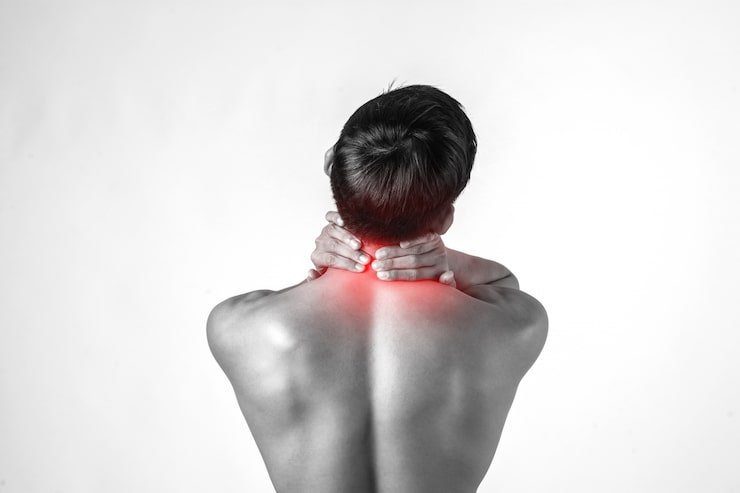
Neck pain can significantly affect your daily life, making even simple movements uncomfortable. One common cause of neck pain is cervical spondylosis, a condition involving degeneration of the cervical spine—bones, discs, and joints in the neck. Consulting a trusted Pathologist in Greater Noida can help in accurate diagnosis and timely management of this condition.
What is Cervical Spondylosis?
Cervical spondylosis occurs when the spinal discs and joints in the neck undergo wear and tear due to aging, poor posture, or repetitive strain. It commonly affects the cervical spine and may lead to stiffness and discomfort. Early consultation at a reputed Best Bone and Joint Specialist in New Delhi can help identify the severity and underlying cause of the condition.
Causes of Cervical Spondylosis
The most common causes include aging, prolonged screen time, poor posture, repetitive neck movements, and previous injuries. These factors contribute to disc degeneration and joint stress. A skilled Pathologist in Greater Noida can assist in identifying inflammation or degeneration through diagnostic tests.
Risk Factors
Older adults, individuals with sedentary lifestyles, and those working long hours on computers are at higher risk of developing cervical spondylosis. Continuous strain on the neck increases the chances of degeneration. Consulting a Best Bone and Joint Specialist in New Delhi can help assess risk factors and prevent further complications.
Common Symptoms
Cervical spondylosis typically presents with symptoms such as neck pain, stiffness, headaches, shoulder pain, and reduced range of motion. In some cases, tingling or numbness in the arms may occur. Many patients experiencing these signs consult a Pathologist in Greater Noida for early diagnosis and treatment.
Diagnosis
Proper diagnosis involves a physical examination along with imaging tests such as X-rays, MRI, or CT scans. These tests help evaluate disc degeneration, bone spurs, or nerve compression. Consulting a Best Bone and Joint Specialist in New Delhi ensures accurate evaluation and appropriate medical advice.
Treatment Options
Treatment for cervical spondylosis depends on its severity. It may include medications, physiotherapy, lifestyle changes, and in some cases, surgical intervention. Patients often consult a Pathologist in Greater Noida to explore suitable treatment options.
Role of Physiotherapy
Physiotherapy is essential in recovery, helping strengthen neck muscles and improve flexibility. Regular exercises can reduce pain and restore mobility. Consulting a Best Bone and Joint Specialist in New Delhi ensures a safe and effective rehabilitation plan.
Prevention Tips
Preventive measures include maintaining proper posture, using ergonomic setups, avoiding excessive screen time, and performing regular neck exercises. Individuals concerned about spine health often consult a Pathologist in Greater Noida for guidance on prevention.
When to See a Doctor
If neck pain persists for more than a few days, worsens over time, or is accompanied by numbness, weakness, or severe stiffness, medical attention is necessary. Consulting a Best Bone and Joint Specialist in New Delhi ensures timely care and effective treatment.
Conclusion
Cervical spondylosis is a manageable condition when diagnosed early and treated appropriately. Understanding its causes, symptoms, and preventive measures can help you maintain a healthy spine and active lifestyle. With proper diagnostic support and expert care, long-term relief is achievable.
Frequently Asked Questions
1. What is cervical spondylosis?
Cervical spondylosis is an age-related degeneration of the neck spine affecting discs and joints.
2. What are the common symptoms of cervical spondylosis?
Symptoms include neck pain, stiffness, headaches, and reduced mobility.
3. Can cervical spondylosis be treated without surgery?
Yes, most cases can be managed with medications, physiotherapy, and lifestyle changes.
4. When should I consult a doctor?
If pain persists, worsens, or is accompanied by numbness or weakness, seek medical help.
5. How can cervical spondylosis be prevented?
Maintain good posture, avoid prolonged screen time, and perform regular neck exercises.