
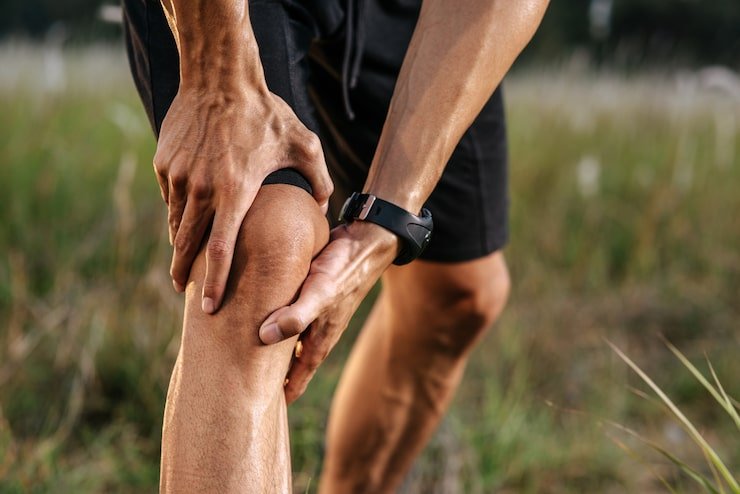
Introduction
A bone bruise, also known as a bone contusion, is often misunderstood by patients because it is not visible like a fracture on the surface, yet it can cause significant and long-lasting pain. Many people assume that fractures are always more serious than bruises, but in some cases, a bone bruise can actually take longer to heal. Seeking timely consultation with an orthopedic doctor in Lajpat Nagar or an experienced orthopedic doctor in Delhi is vital if symptoms persist.
What Is a Bone Bruise?
A bone bruise occurs when there is injury to the inner layer of the bone, known as the trabecular bone, along with damage to the surrounding blood vessels. Unlike a fracture, the bone does not break completely. Instead, it develops micro-injuries and internal bleeding. This condition is usually caused by sports injuries, falls, or direct impact to a joint.
How Is It Different from a Fracture?
A fracture is a complete or partial break in the bone, which is usually visible on an X-ray. In contrast, a bone bruise does not show up clearly on standard X-rays and is often detected through MRI scans.
- Fracture: Bone is broken or cracked.
- Bone bruise: Internal bone tissue is damaged but remains structurally intact.
While fractures often heal in a predictable time frame with immobilization, bone bruises can be unpredictable and sometimes more painful in the short term.
Why Bone Bruises Take Longer to Heal
One of the most surprising facts about bone contusions is that they can take weeks or even months to fully recover. Several factors contribute to this slow healing process:
- Limited Blood Supply: The inner trabecular part of the bone has a limited blood supply compared to muscles, making recovery naturally slower.
- Internal Microdamage: It involves multiple tiny injuries spread across the bone, making repair more complex than a clean fracture.
- Inflammation Inside the Bone: Swelling occurs within the bone itself, increasing pressure and causing prolonged pain.
- Continuous Stress: Everyday activities on weight-bearing bones like the knee or ankle can slow down the healing process.
Common Symptoms of Bone Bruise
Recognizing symptoms early is essential. If you experience the following, consult an orthopedic doctor in Delhi:
- Deep, persistent pain in the affected area.
- Swelling and tenderness.
- Stiffness in nearby joints.
- Pain that worsens with movement or pressure.
Diagnosis and Treatment Options
Bone bruises are best diagnosed via MRI scans, as they identify internal swelling that X-rays miss. Treatment focuses on reducing pain and allowing natural healing:
- Rest and Activity Modification: Crucial to avoid stressing the damaged bone.
- Ice Therapy: Reduces initial swelling and pain.
- Bracing: Helps stabilize the affected area if necessary.
- Physiotherapy: Guided exercises to restore strength once pain subsides.
A structured plan from an orthopedic doctor in Lajpat Nagar ensures a safer recovery.
Healing Time: What to Expect
Healing time depends on the severity:
- Mild: 2–4 weeks
- Moderate: 4–8 weeks
- Severe: 2–4 months or longer
Conclusion
A bone bruise may seem minor compared to a fracture, but it can cause prolonged discomfort due to limited blood supply and internal damage. If symptoms interfere with your daily activities, consult a qualified orthopedic doctor in Delhi for an accurate diagnosis and personalized care to prevent long-term complications like joint stiffness or chronic pain.
Frequently Asked Questions
1. Why didn't my bone bruise show up on an X-ray?
X-rays only show breaks in the outer "cortex" of the bone. Bone bruises happen in the inner "trabecular" layer, which only an MRI can visualize.
2. Can I walk on a bone bruise?
It depends on the location. For weight-bearing bones like the knee, your doctor may recommend crutches to prevent further micro-damage.
3. What happens if I ignore a bone bruise?
Ignoring it can lead to permanent damage to the bone or cartilage, potentially increasing the risk of early-onset arthritis.
4. Is heat or ice better for a bone bruise?
Ice is generally better in the early stages to control internal swelling and inflammation.